
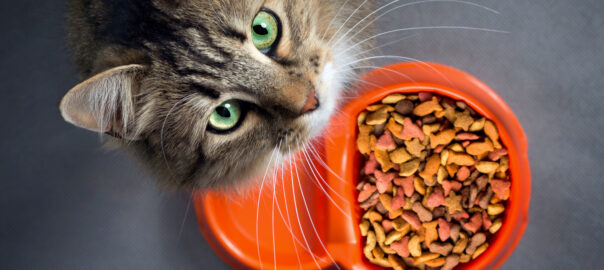
I love the question, “What should I feed my pet?” It shows me how much you care about your furry family members. I also know it can feel overwhelming when you’re standing in the pet food aisle (or staring at your Instagram), with hundreds of options, each claiming to be the “best” choice for your dog or cat. Is raw dog food “the” answer? Should you cook for your cat?
The truth is, there’s no one-size-fits-all answer. What works beautifully for your neighbor’s Golden Retriever might not be the right choice for your senior cat or your puppy with a sensitive stomach. Today, I want to walk you through the four main feeding approaches I see pet parents using, along with the real pros and cons of each. My goal isn’t to tell you what to choose, but to give you the information you need to make the best decision for your specific pet.
Visit my homepage to schedule an online visit.
Dry Kibble: The Convenient Classic Dog and Cat Foods
Let’s start with what most of us grew up with – dry kibble. It’s been the go-to choice for pet parents for decades, and there are some solid reasons why it’s maintained its popularity.
The Good News About Kibble
From a practical standpoint, kibble is hard to beat. It’s convenient, shelf-stable, and won’t break the bank. You can buy it in bulk, store it easily, and it won’t spoil if you forget to put it away immediately after feeding. For busy families, this convenience factor is genuinely important – if a feeding method is too complicated or time-consuming, it’s less likely you’ll stick with it consistently.
Quality kibble also provides complete and balanced nutrition when it’s made by reputable manufacturers. The good brands employ veterinary nutritionists who formulate recipes to meet all of your pet’s nutritional needs. Plus, the crunchy texture can help with dental health by reducing tartar buildup, though it’s not a substitute for regular dental care.
The Potential Drawbacks
Here’s where I need to be honest with you – not all kibbles are created equal. Many commercial dry foods are heavily processed and contain fillers, by-products, and artificial preservatives that aren’t ideal for long-term health. Some pets also struggle with the high carbohydrate content found in many kibbles, especially cats, who are obligate carnivores and naturally eat a very low-carb diet.
The processing required to create kibble also destroys some nutrients, which is why many manufacturers add synthetic vitamins and minerals back in. It’s not necessarily harmful, but it’s not as close to a natural diet as some other options.
Wet Food: The Middle Ground
Kibble vs. wet food? Canned or wet food often feels like a compromise between convenience and nutrition, and in many ways, it is.
Why Wet Food Works
The biggest advantage of wet food is moisture content. Many pets, especially cats, don’t drink enough water on their own, and wet food can significantly boost their hydration. This is particularly important for preventing urinary issues and supporting kidney health as pets age.
Wet food is also generally less processed than kibble and often contains higher-quality protein sources. The texture and aroma are usually more appealing to pets, making it a great option for picky eaters, pets with dental issues, or pets recovering from illness who need encouragement to eat.
The Considerations
The main drawbacks are practical ones. Wet food is more expensive per serving than kibble, has a shorter shelf life once opened, and can be messier to serve and clean up. Some pet parents also worry about dental health since wet food doesn’t provide the mechanical cleaning action that kibble does, though this can be addressed with dental chews or regular tooth brushing.
Homemade Diets: Labor of Love
I’ve seen more pet parents interested in cooking for their pets in recent years, and I understand the appeal. There’s something wonderful about knowing exactly what goes into your pet’s bowl.
The Beautiful Side of Home Cooking
Is homemade dog food or cat food safe? When done correctly, homemade diets can be incredibly healthy. You control every ingredient, can avoid preservatives and additives, and can tailor the diet to your pet’s specific needs and preferences. For pets with food allergies or sensitivities, a properly planned homemade diet can be life-changing.
There’s also the bonding aspect – many pet parents find joy in preparing meals for their pets, and it can strengthen your relationship with your furry friend.
The Reality Check
Here’s what I need you to understand: creating a nutritionally complete homemade diet is much harder than most people realize. Dogs and cats have very specific nutritional requirements that differ significantly from humans. I’ve seen well-meaning pet parents inadvertently create deficiencies or imbalances that led to serious health problems.
If you want to go this route, please work with a veterinary nutritionist to create a properly balanced recipe. It’s also time-consuming and can be expensive, depending on the ingredients you choose. And let’s be honest – life gets busy, and it’s easy to start cutting corners or simplifying recipes in ways that compromise nutrition.
Raw Diets: The Controversial Choice
Raw feeding is probably the most debated topic in pet nutrition, and I’ve seen passionate advocates on both sides. The vast majority of veterinarians are uncomfortable with raw food diets.
The Raw Feeding Philosophy
Proponents argue that raw diets most closely mimic what dogs and cats would eat in the wild. Many report improvements in their pets’ coat quality, energy levels, and overall health. Some pets do genuinely seem to thrive on properly managed raw diets.
Raw diets are typically high in protein and moisture while being low in carbohydrates, which aligns well with cats’ natural dietary needs. For some pets with certain health conditions or food sensitivities, raw diets have provided relief when other approaches haven’t worked.
The Safety Concerns
When pet parents ask, “Should I feed raw food?” I have to share my concerns. The biggest issue is food safety – both for your pet and your family. Raw meat can harbor dangerous bacteria like Salmonella and E. coli. While healthy adult pets can often handle these bacteria better than humans, young, old, or immunocompromised pets are at higher risk.
The American Veterinary Medical Association, in its position statement on raw diets, says that, in addition to cooking and pasteurization, alternative methods exist that reduce or eliminate the risk of illness due to pathogenic contaminants. But regarding raw foods, they are clear. They say that “apparently healthy dogs and cats can develop subclinical infections from pathogenic organisms contained within raw or undercooked animal-sourced protein and pose a risk to other animals and people, especially young, elderly, pregnant, and immunocompromised individuals.”
The American Animal Hospital Association also disapproves of raw food diets. According to the AAHA, “studies on both commercially available and homemade raw protein diets have found 30-50% contaminated with pathogenic organisms, and up to 30% of dogs fed such diets may shed these pathogens in their stool.” They note that many of these pathogens are resistant to multiple antimicrobials and pose health risks to the pets consuming the diet, other animals in contact with these pets or their feces, human family members, and the public.
There’s also the challenge of nutritional balance. Many commercial raw diets and home-prepared raw meals are not nutritionally complete. I’ve seen cases of nutritional deficiencies and imbalances in pets on raw diets, particularly homemade ones.
So What Should You Choose?
After years of practice, here’s what I’ve learned: the best diet is the one that keeps your individual pet healthy, that you can afford and maintain consistently, and that your pet actually wants to eat.
I have patients thriving on high-quality kibble, and others doing beautifully on raw diets. I’ve seen sick pets return to health with carefully planned homemade diets, and others who do best on a combination of wet and dry commercial foods.
For a deeper dive into pet food nurtients and bioavailability, visit my article, Pet Food Nutrients Aren’t Created Equal.
My Practical Recommendations
Start with your pet’s specific needs. A young, active dog has different requirements than a senior cat with kidney disease. Consider your pet’s age, health status, activity level, and any food sensitivities.
Quality matters more than category. A high-quality kibble is better than a poorly made raw diet. Look for brands that employ veterinary nutritionists and conduct feeding trials.
Consider your lifestyle honestly. If you’re barely managing to feed yourself regular meals, a complex homemade diet probably isn’t sustainable for you right now, and that’s okay.
Transition gradually. Whatever you choose, change your pet’s diet slowly over 7-10 days to avoid digestive upset.
Monitor your pet. Watch for changes in energy, coat quality, body condition, and bathroom habits. These are often the first indicators of whether a diet is working.
The Bottom Line
There’s no shame in feeding kibble if it’s high-quality and your pet is thriving. There’s also nothing wrong with wanting to provide a more natural diet if you can do it safely and completely. The pet food industry has given us more options than ever before, and that’s generally a good thing.
What matters most is that you’re thinking about your pet’s nutrition and making informed choices. If you’re ever unsure about what’s best for your specific pet, don’t hesitate to reach out. Every pet is unique, and sometimes the best feeding plan is discovered through careful observation and maybe a little trial and error.
Remember, feeding your pet is an act of love, regardless of which bowl you choose to fill. Your pet is lucky to have someone who cares enough to ask these important questions.
Dr. Shanda Streeter provides compassionate, convenient veterinary care through house calls in Holly Springs, Apex, Fuquay-Varina, and southern Wake County, as well as Pittsboro, NC. If you have questions about your pet’s nutrition or health, she’s here to help in the comfort of your own home or by telemedicine.