
Social media overflows with adorable pet content, but research reveals a darker reality. A 2025 study found that 82% of supposedly funny pet videos show animals in distress, and over half depict injury risks. Learning to spot these red flags can help you protect your pet from trends that prioritize viral moments over animal welfare.
The Hidden Danger in Pet Social Media Feeds
The challenge isn’t that pet parents don’t care. Rather, distinguishing between harmless fun and dangerous misinformation has become nearly impossible on platforms designed to make everything appear appealing.
Multiple research studies reveal the scope of the problem. Insurance research from Admiral shows that over half of pet videos online (51%) depict animals being scared or startled, and these clips have garnered 1.4 billion views and 104 million likes. Even more concerning, a 2025 peer-reviewed study published in the Journal of Applied Animal Welfare Science analyzed 162 supposedly humorous pet videos from Instagram, TikTok, and YouTube. The findings were stark: stress reactions were observed in 82% of all videos, while injury risks were found in 52% of the videos. Pain was assumed in 30% of cases, and despite clear evidence of poor animal welfare, 93.8% of these videos achieved “successful” engagement metrics based on views, likes, and shares.
Scare and Startle Videos: When “Funny” Harms Pets
The trends described below share a disturbing common thread: they treat pets as content props rather than sentient beings deserving of respect and safety. Understanding why these activities harm animals helps pet parents make better choices online.
The “Bark at Your Dog” Challenge – A Trend That Won’t Die
Some harmful trends resurface repeatedly despite veterinary warnings. The “Bark at Your Dog” challenge, which first went viral in 2021, continues to circulate and harm pets. Pet parents bark loudly in their dog’s face, deliberately startling them for entertainment value. What appears humorous to viewers damages the trust relationship between humans and pets, triggers fear-based reactions, and creates long-term anxiety.
Veterinary behaviorists warn that deliberately startling pets undermines years of relationship-building. Like many dangerous viral trends, this one refuses to fade—it resurfaces periodically as new users discover it.
Scare and Startle Videos: Violating Your Pet’s Safe Space
These videos deliberately frighten pets for viewer entertainment. The pet’s wide-eyed, frozen response isn’t cute—it’s a fear response that can cause lasting psychological effects, including increased anxiety, defensive aggression, and damaged trust.
The 2025 “Fake Kidnapping” challenge represents perhaps the most disturbing evolution of this trend. Pet parents stage home invasions while their pets eat, with masked “intruders” pretending to kidnap them. This exploits dogs’ natural protective instincts purely for online engagement. Dogs who bite the fake intruder may face devastating legal consequences, including being labeled dangerous, loss of home insurance, or even euthanasia—all for a viral video.
These videos also frequently put vulnerable individuals at serious risk. Children, smaller pets, and other family members are often cast as the “straight man” in these pranks—positioned as potential victims or threats in scenarios that deliberately trigger large, powerful dogs’ predatory instincts. A beloved family dog is still a predatory species, and these setups can result in tragic injuries to the very people and animals the content is supposed to entertain.
These trends share a fundamental cruelty: they violate the one place pets should feel completely safe. Home represents security, comfort, and protection to animals. Deliberately creating fear and confusion in that environment—the space where pets are most vulnerable—solely for likes and views treats animals as objects rather than family members. Pets cannot understand that the threat is fake, that their family member isn’t actually in danger, or that this frightening experience is “just for fun.” They simply experience terror in the place they’re supposed to feel safest.
The Pet Spinning Trend
Videos showing pets lifted and spun by their front legs place enormous stress on shoulder joints, potentially causing ligament tears, joint dislocation, and long-term arthritis. Veterinarians report that many pet parents had no idea this “playful” activity could cause serious damage.
“Level Up” Challenges
These involve pets jumping higher and higher obstacles for social media content. While exercise promotes health, repetitive high-impact jumping damages joints over time, and breed-specific limitations are often ignored. There’s an important distinction here: encouraging pets to navigate age-appropriate obstacles as enrichment helps build confidence and strengthen bonds. Pushing pets beyond safe limits for dramatic footage prioritizes social media engagement over welfare.
Extreme Exercise Challenges
High-intensity workout videos featuring pets performing human-style exercises ignore fundamental anatomical differences. Dogs’ spines aren’t designed for sit-ups, and cats’ joints can’t safely handle repetitive jumping routines designed for visual impact rather than species-appropriate movement.
Pet Diet Dangers: When Social Media Advice Turns Deadly
Social media aggressively promotes dangerous home remedies and diet trends. The year 2025 brought a particularly serious concern: contamination of certain raw pet food products with H5N1, potentially making DIY raw diets life-threatening. Multiple cats have died after consuming contaminated raw pet food in California, Oregon, Washington, and New York. The FDA has issued warnings requiring pet food manufacturers to address this hazard in their safety plans.
Other dangerous DIY trends include essential oils toxic to pets, “detox” diets causing nutritional deficiencies, homemade ear cleaning solutions that damage delicate structures, and unproven supplements marketed with misleading claims.
Why Smart Pet Parents Fall for Dangerous Trends
Why do intelligent, devoted pet parents fall for harmful viral trends? The answer lies in how social media platforms are designed to bypass our critical thinking.
When videos accumulate thousands of likes and enthusiastic comments, viewers interpret this engagement as validation that the behavior must be safe. However, engagement metrics don’t equal veterinary approval. Problematic pet videos employ specific manipulation tactics: fast cuts that hide stress signals, upbeat music that creates positive associations regardless of the content, and misleading captions that claim “natural” behavior.
Later in this series, we’ll explore the psychology of misinformation in depth—including why our brains fall for the “cuteness bias” and how to recognize manipulation techniques designed to override critical thinking.
Increasingly, AI-generated content adds another dangerous layer. Videos depicting pets doing impossible or unsafe things—created entirely by artificial intelligence—blur the line between real and fake. Pet parents may not realize they’re watching computer-generated content and may attempt to replicate these “tricks” with real animals, which can result in injury.
Ways to Spot the Red Flags in Viral Pet Videos
Before sharing that “hilarious” video of someone barking in their pet’s face or staging a fake home invasion while their dog eats, pet parents should take 30 seconds to ask three critical questions:
- Would this be acceptable with a human child? If barking aggressively in a toddler’s face seems harmful, it’s equally damaging to a pet’s trust and emotional well-being.
- Is the pet showing signs of stress? Panting, wide eyes, attempts to escape, frozen body language, or flattened ears aren’t cute—they’re distress signals.
- Who’s posting this, and what’s their expertise? A veterinary behaviorist’s training video differs significantly from an influencer’s “pet hack” designed for engagement.
If any red flags appear, take a screenshot of the content and consult a veterinarian before trying it. House call veterinarians offer affordable telemedicine consultations specifically for these “I saw this online” questions.
In Article 3 of this series, we’ll introduce a comprehensive fact-checking framework specifically designed for evaluating pet health content online—a simple method you can apply in seconds to any viral trend.
The Bright Side: When Social Media Gets It Right
Not all viral pet trends harm animals. The 2025 surge in pet enrichment content demonstrates how social media can actually improve pet welfare when creators prioritize genuine engagement over entertainment exploitation.
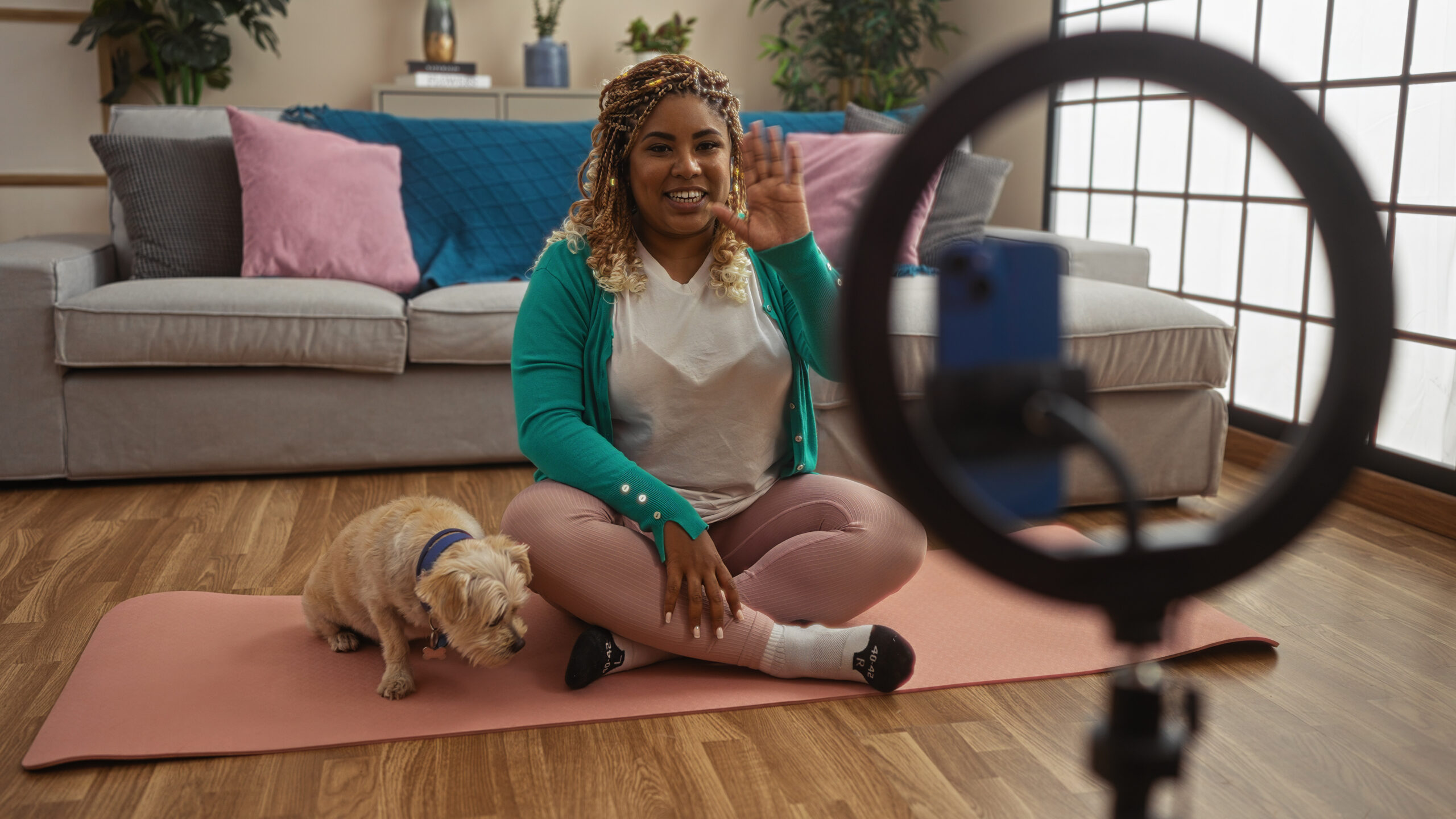
There’s good news, too! There has been a uptick in enrichment videos by credible sources.
Videos showcasing snuffle mats, puzzle feeders, and lick mats have gone viral, with creators sharing DIY enrichment ideas that provide genuine mental stimulation. These activities tap into natural foraging instincts and help reduce anxiety, boredom, and destructive behaviors. Veterinary professionals actively promote this trend because it benefits pet health by fostering relationships rather than exploiting animals for views.
The key difference? Enrichment activities are done with pets, not to pets. They provide cognitive challenges that pets genuinely enjoy rather than creating stress and confusion for human entertainment. Pet parents who share these videos celebrate their animals’ intelligence and natural behaviors rather than their reactions to deliberately induced fear or discomfort.
How Heal House Call Vets Can Fight Misinformation
“The extra time we spend during house calls means pet parents feel comfortable asking about things they’ve seen online. I love having the flexibility and time to sit and talk with pet parents. I’ll never go back to 15-minute cram sessions,” notes Kristan Riley, DVM, Vass, NC, Heal House Call Veterinarian.
Unlike traditional 15-minute clinic appointments, house calls provide 45-60 minutes for real conversation. This extended time allows us to:
- Address the “Embarrassing” Questions. Pet parents often hesitate to ask about social media trends in busy clinic settings, worried they might seem foolish. In the comfort of your home, these conversations flow naturally.
- See Real-World Context. During house calls, we observe how your pet actually moves and behaves in their familiar environment. This helps us spot subtle changes that might indicate injury from viral trends you’ve tried.
- Build Trust That Competes with Influencers. Social media influencers gain trust through parasocial relationships – you feel like you know them. House call veterinarians build real relationships based on actual expertise and genuine care for your specific pet.
- Provide Proactive Education. Instead of just treating problems after they occur, we can warn you about trending dangers before you encounter them online. This “prebunking” approach helps you develop resistance to future misinformation.
House call veterinarians offer unique advantages in combating misinformation. Traditional clinic visits focus on immediate medical concerns, leaving little time for conversations about social media content. In the comfort of home, these conversations flow naturally as part of the broader relationship. During house calls, veterinarians observe how pets actually move and behave in familiar environments, revealing subtle changes over time.
House call veterinarians build genuine relationships based on expertise and personalized care, creating a trusted alternative to online influencers. Rather than just treating problems, they can warn pet parents about emerging dangers before they encounter them online.
The Bottom Line
Pet health is too important to entrust to viral trends. While social media can provide entertainment and legitimate education, it’s also saturated with content prioritizing engagement metrics over animal welfare.
The distinction matters: genuine play and relationship-building activities benefit both pets and people. Games like hide-and-seek, enrichment puzzles, and training sessions create joy and strengthen bonds. The problem emerges when pets become objectified—when activities are designed not to enrich the pet’s life but to generate online popularity at the pet’s expense.
House call veterinarians are uniquely positioned to help pet parents separate helpful content from harmful trends. Extended appointment times, expertise delivered in comfortable home environments, and personalized relationships provide guidance no influencer can match.
Pet parents unsure about online content can access affordable telemedicine consultations for expert input before trying new trends. A brief video call can prevent weeks of dealing with injured or sick pets.
The enrichment-toy trend demonstrates that viral pet content can benefit animals when creators prioritize animal welfare alongside entertainment. By supporting positive trends and questioning harmful ones, pet parents can help shift social media culture toward content that truly serves pets’ best interests.
Be sure to check out the rest of our series on Social Media and Pets:
Article 1: Is Social Media Hurting Your Pet?
Article 2: Why Good Pet Parents Fall for Misinformation
Article 3: Pet Health Fact-Check Guide
Article 4: Is That Pet Video a Deep Fake?
Article 5: Who to Trust for Pet Advice
Quick question about something seen online? Book an affordable telemedicine consultation with a house call veterinarian. Heal provides science-based guidance tailored to specific pets’ needs, helping pet parents navigate the overwhelming world of online pet advice.